
Today: 8:30AM - 7:00PM
Blog

2026 Kia Sorento vs. 2027 Kia Telluride

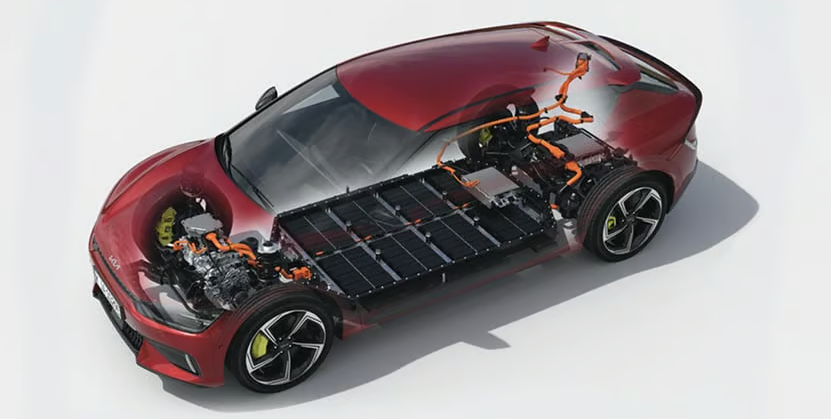
2026 Kia Sorento
2026 Kia Sorento
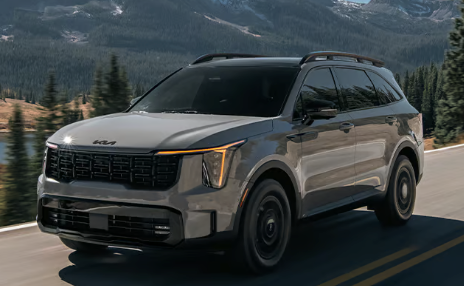
2027 Kia Telluride
2027 Kia Telluride

Whether you need the nimble versatility of the 2026 Kia Sorento or the expansive, bold utility of the fully redesigned 2027 Kia Telluride, Kia's SUV lineup is built for family adventures. The Sorento balances daily efficiency with weekend utility, while the Telluride delivers flagship three-row space and striking new style. Understanding the differences will help you choose the right fit for your lifestyle. You can compare both vehicles in person at Cable Dahmer Kia of Lee's Summit and take a test drive to see which is right for you. Shop online and contact us today to get started.

Performance and Capability

The 2026 Kia Sorento offers two distinct engine options to suit your driving needs. You can choose from the standard 2.5L four-cylinder or the powerful turbocharged 2.5L engine. The Sorento can tow up to 4,500 lbs. when properly equipped. The fully redesigned 2027 Kia Telluride comes standard with a new 2.5L turbocharged inline-4 engine. The Telluride boasts an impressive maximum towing capacity of 5,000 lbs.

New for the 2027 model year, the Telluride offers a Hybrid model with a 2.5L turbo-hybrid engine capable of 329 hp and 339 lb-ft of torque. The 2026 Sorento Hybrid includes a 1.6L turbo-hybrid powertrain capable of 227 hp and 258 lb-ft of torque, while the Sorento plug-in hybrid offers 268 hp with 271 lb-ft of torque.

Performance Spec2026 Kia Sorento2027 Kia Telluride
Engine Options2.5L 4-Cyl, 2.5L Turbo2.5L Turbo
Max Horsepower281 hp (Turbo)274 hp
Max Torque311 lb-ft (Turbo)311 lb-ft
Transmission8-Speed Auto or 8-Speed DCT8-Speed Auto
Standard DrivetrainFWD (AWD Available)FWD (AWD Available)
Max Towing Capacity4,500 lbs.5,500 lbs.

Technology and Infotainment

Feature2026 Kia Sorento2027 Kia Telluride
Apple CarPlay and Android AutoStandardStandard
Wireless Phone ChargingAvailableStandard (Dual Chargers on LX)
Wi-Fi HotspotAvailableStandard
Premium Audio SystemAvailable BoseAvailable 14-Speaker System
Digital Key AccessAvailableAvailable

Both the Sorento and Telluride feature advanced technology to keep you connected on the road. Apple CarPlay and Android Auto come standard on both models to ensure you have seamless access to navigation and media. The 2027 Telluride takes connectivity a step further by offering standard dual wireless phone chargers and a Wi-Fi hotspot on the entry-level trim.

Kia Safety Features

Both vehicles are equipped with a comprehensive suite of safety technologies to protect you on and off the road.

Safety Feature2026 Kia Sorento2027 Kia Telluride
Blind Spot MonitoringStandardStandard
Rear Cross-Traffic AlertStandardStandard
Lane Keeping AssistStandardAvailable
Highway Driving AssistAvailableAvailable
Parking Distance WarningStandardAvailable

Safety is a priority whether you are navigating busy city streets or taking long highway trips. Advanced driver assistance features like Blind Spot Monitoring and Rear Cross-Traffic Alert are standard on both models to give you extra peace of mind. You can also equip either vehicle with Highway Driving Assist to help manage steering and speed during highway travel.

Interior Dimensions and Comfort

The Sorento offers flexible seating for up to seven passengers, with available second-row captain's chairs that reduce capacity to six for enhanced comfort. The Telluride is exclusively available as a larger SUV with seating for up to eight passengers. Both vehicles provide spacious cabins designed to handle your daily errands or a weekend camping trip.

Interior Dimension2026 Kia Sorento2027 Kia Telluride
Front Seat Headroom40.3 in.41.2 in.
Front Seat Legroom41.4 in.41.4 in.
Rear (Second) Seat Headroom39.1 in.38.9 in.
Rear (Second) Seat Legroom41.7 in.43.0 in.
Seating CapacityUp to 7Up to 8
Maximum Cargo Capacity75.5 cu. ft.89.3 cu. ft.

Find Your Next Kia at Cable Dahmer Kia of Lee's Summit

Whether you are drawn to the versatile efficiency of the Sorento or the spacious utility of the Telluride, our team at Cable Dahmer Kia of Lee's Summit is ready to assist you. We can help you compare both models side by side to determine which one meets your needs. Stop in or contact us today to browse our Kia inventory and schedule your test drive.

*All specifications, features, and pricing are estimated based on available manufacturer data at the time of publication and are subject to change without notice. Starting MSRP values refer to base models before destination charges, optional equipment, taxes, or dealer-installed accessories. Final vehicle availability, pricing, and finance terms vary by model and individual inventory selection. See Cable Dahmer Kia of Lee's Summit for current inventory details, exact pricing, and official promotional guidelines.
Recommended Posts

Kia Ev6 battery interior

What Is EV Battery Pre-Conditioning?

When winter weather hits, freezing temperatures can take a toll on electric vehicle performance. If you drive an EV like the Kia EV6 or Kia EV9, you may notice that public fast charging takes longer on a cold Missouri morning. That's where Kia EV Battery Pre-Conditioning comes in. more Centered Intro Battery pre-conditioning is one of the most effective built-in features for optimizing your EV's performance, reducing charge times at public DC fast chargers, and preserving long-term battery health. Here's a complete guide from our team at Cable Dahmer Kia of Lee's Summit on how it works, why it matters, and how to use it. How Does It Work How Does Battery Pre-Conditioning Work? Battery pre-conditioning is an automated thermal management process that brings your vehicle's high-voltage battery pack to its ideal operating temperature, typically between 60°F and 95°F (15°C to 35°C). Lithium-ion batteries rely on chemical reactions to store and discharge energy, and extreme cold slows those reactions down. When you plug a cold battery into a high-powered DC fast charger, the vehicle automatically throttles the charging speed to protect the internal cell structure from thermal stress and potential damage. By warming up the battery pack while you're en route, pre-conditioning ensures the battery is ready to accept maximum charging kilowatts the moment you plug in. Key Benefits Key Benefits of Pre-Conditioning Your Kia EV Activating battery conditioning mode provides three major advantages for daily winter driving around the Midwest: Significantly Faster DC Fast Charging Bringing the battery to its optimal temperature eliminates cold-weather charging lag, allowing your Kia EV to jump straight to its peak charging speeds (such as the EV6's ultra-fast 800V charging capability). Maximized Driving Range Pre-conditioning while your vehicle is plugged into your home charger draws energy directly from the power grid rather than your battery pack, keeping your full driving range intact for the road. Pre-conditioning en route while unplugged draws power from the battery pack, which temporarily reduces available driving range. Extended Long-Term Battery Health Keeping the high-voltage battery within its target thermal window reduces thermal stress, helping to maintain long-term battery capacity over years of ownership. How to Activate How to Activate Battery Pre-Conditioning in Your Kia Depending on your Kia model and infotainment software version, you can activate battery pre-conditioning through automatic navigation or manual display controls. Method 1: Automatic Activation via Built-In Navigation The primary way to trigger pre-conditioning on models like the Kia EV6 and Niro EV is through the factory navigation system: Go to EV Menu > EV Settings > Battery Conditioning Mode on your center display screen and ensure the feature is checked. Search for a public DC Fast Charger using the native Kia navigation map. Set the DC fast charger as your destination or waypoint. As you approach within 20 to 30 minutes of the charger, your Kia automatically warms the battery. A red heater coil icon or battery heating indicator will illuminate on your instrument cluster display. Method 2: Manual Activation & Kia Access App Newer Kia models equipped with the ccNC infotainment system (such as the Kia EV9) feature direct manual controls and remote access: In-Vehicle Display: On your infotainment touchscreen, navigate to EV > EV Settings > Battery Conditioning Mode and select Activate to manually warm or cool the battery pack prior to your charging stop. Smartphone App: Trigger cabin warming and battery pre-conditioning remotely from your smartphone using the Kia Access app while your vehicle is parked and plugged into your home charger. Two-Column: Which Models Support It + Image Which Kia Models Support Battery Pre-Conditioning? Kia equips its advanced electric vehicle lineup with battery heating elements and thermal management systems engineered for all-weather driving. Models featuring battery pre-conditioning include: Kia EV9: Standard feature across all trims. Kia EV6: Standard on AWD models; available on select RWD models equipped with the optional Cold Weather Package / Battery Heater. Kia Niro EV: Available on models equipped with the optional Cold Weather Package / Battery Heater. Closing / CTA Explore Kia EVs in Lee's Summit Whether you're navigating cold morning commutes on I-470 or planning a winter road trip across Missouri, taking advantage of Kia's battery pre-conditioning helps you spend less time waiting at charging stations and more time enjoying the road. Shop Kia EVs Schedule Service Disclaimers *Kia Connect / Remote Features: Remote features require an active Kia Connect subscription, a compatible smartphone, and cellular signal coverage. Do not use remote climate features if the vehicle is parked in an enclosed or unventilated area. *Charging & Range: Actual charging speeds and range will vary based on charger output capacity, battery temperature, state of charge, ambient outdoor temperature, battery age, and driving habits. Pre-conditioning en route while unplugged draws power from the high-voltage battery.

2026 kia sportage

Why the 2026 Kia Sportage is Your Road Trip Companion

Discover why the 2026 Kia Sportage is a great option for your next road trip. Learn about convenient storage space and fuel efficient Hybrid and PHEV models. more noteaser Intro There's something magical about planning a classic American road trip. Packing up the family, mapping out a route across historic highways, and watching the landscape shift from rolling hills to towering mountain peaks. But to make that dream trip successful, you need a vehicle that can keep up with the demands of long-distance family travel. Enter the 2026 Kia Sportage. With a fresh look, multiple powertrain options, and space to spare, this compact crossover is built for the open road. Here is a breakdown of why the Kia Sportage deserves a spot at the top of your family's travel wishlist. Interior Cargo Interior Cargo & Clever Storage Anyone who has traveled with children knows that families don't travel light. Fortunately, the 2026 Sportage boasts class-leading cargo space, ensuring you don't have to leave favorite toys or extra coolers behind. Here is how the interior storage breaks down by the numbers across the different models: Interior Dimension / Capability Gas Model Hybrid (HEV) Plug-in Hybrid (PHEV) Cargo Space (Seats Upright) 39.6 cu. ft. 39.5 cu. ft. 34.5 cu. ft. Max Cargo Space (Seats Folded) 74.1 cu. ft. 73.7 cu. ft. 65.5 cu. ft. Second-Row Legroom 41.3 inches 41.3 inches 39.5 inches Dual-Level Cargo Floor Standard Standard Not Available 2-Column Cards Designed for Effortless Loading It isn't just about raw volume — it's about how usable that space is. The 2026 Sportage features a wide, square trunk opening and a remarkably low lift-over height, meaning you won't throw out your back heaving heavy luggage or strollers into the rear. Quick-release levers in the cargo area drop the rear seats completely flat in seconds without walking around to the side doors. Saying Goodbye to Backseat Bickering A cramped back seat can break a long road trip faster than a flat tire. The Sportage offers a best-in-class 41.3 inches of rear legroom on gas and hybrid models — more than enough room for full-sized adults or lanky teenagers to stretch out completely, and it makes installing bulky rear-facing child safety seats absolutely trouble-free. Engines and Fuel Economy Engines and Fuel Economy A cross-country trip means facing everything from bumper-to-bumper city traffic to steep mountain passes. The 2026 Sportage ensures you have the right tool for the job with three distinct, highly efficient powertrain choices: Powertrain Accent Cards Standard 2.5L 4-Cylinder Engine Packing 187 horsepower, this base engine is paired with a smooth 8-speed automatic transmission. It offers a highly reliable, classic driving feel with an impressive EPA-estimated 25 mpg city / 33 mpg highway for front-wheel-drive models. 1.6L Turbo Hybrid (HEV) If you want to maximize your travel budget, the hybrid is the sweet spot. It pumps out a robust 232 horsepower for effortless merging and mountain climbing, while achieving an EPA-estimated 42 mpg combined (42 city / 44 highway) on FWD models. Opting for all-wheel drive still yields a fantastic 35 mpg combined. Plug-in Hybrid (PHEV) Delivering a powerful 268 horsepower, the PHEV gives you the flexibility of all-electric driving around local stops or campgrounds, turning seamlessly into a traditional hybrid once the battery runs low. Roof Storage and Towing Roof Storage and Trailering Capacities Versatile Roof Rack Engineering Sometimes, your outdoor gear is simply too big to live inside the cabin. Higher trims like the EX, X-Line, and X-Pro come standard with robust roof rails. By adding crossbars, you can easily mount a rooftop cargo box, a pair of kayaks, or a line of bicycles. Standard factory roof rack setups safely support up to 165 pounds of dynamic weight — more than enough for a fully loaded luggage pod. Towing Capabilities by Powertrain If you need to haul a small camper, a couple of jet skis, or a utility trailer, the 2026 Sportage punches well above its weight class: Engine Type Max Towing Capacity (With Trailer Brakes) Standard 2.5L Gas Up to 2,500 lbs Turbo Hybrid (HEV) Up to 2,000 lbs Plug-in Hybrid (PHEV) Up to 2,000 lbs FAQ Frequently Asked Questions Which 2026 Kia Sportage powertrain is best for long road trips? For most families focused on long-distance driving, the 1.6L Turbo Hybrid (HEV) hits the sweet spot. It delivers 232 horsepower for confident passing and hill climbing while returning an EPA-estimated 42 mpg combined on front-wheel-drive models — meaning far fewer fuel stops and more money in your pocket by the time you reach your destination. If you frequently drive in areas with limited charging infrastructure, the hybrid's seamless, self-charging operation also removes any range anxiety from the equation. Does the 2026 Kia Sportage have enough cargo space for a family vacation? Absolutely. The gas and hybrid Sportage models offer up to 74.1 cubic feet of maximum cargo space with the rear seats folded — a genuinely class-leading figure in the compact SUV segment. Even with the rear seats upright and all five passengers on board, you still have 39.6 cubic feet behind the second row, which is plenty of room for a full set of family luggage, a stroller, and all the snacks you can pack. The standard dual-level cargo floor on gas and hybrid trims gives you extra organization flexibility as well. Can the 2026 Kia Sportage tow a camper or utility trailer? Yes — the 2026 Sportage is a capable tower for a compact crossover. The standard 2.5L gas engine supports up to 2,500 pounds of towing capacity with trailer brakes, which is enough to pull a lightweight pop-up camper, a pair of personal watercraft, or a small utility trailer loaded with camping gear. The hybrid and plug-in hybrid models support up to 2,000 pounds, which still covers most small recreational trailers. Just be sure to verify trailer weight against your specific trim and configuration before hitching up. CTA Banner Ready to Start Your Next Adventure? The open road is calling, and the perfect family road trip starts right here in our community. Head over to Cable Dahmer Kia of Lee's Summit to find your family's 2026 Kia Sportage. Our team makes stepping into your next vehicle completely stress-free with flexible financing, an incredible selection of new Sportage models, and the peace of mind that comes with Kia's industry-leading warranty program. Stop by for a test drive today! Shop 2026 Kia Sportage Disclaimer Warranties include 10-year/100,000-mile powertrain and 5-year/60,000-mile basic. Warranties are limited, non-transferable, and apply to the original owner only. See Cable Dahmer Kia of Lee's Summit for complete details and copy of limited warranty.

Kia EV9 Driving on the road

Kia EV Maintenance and Ownership Costs

Learn more about Kia EV service schedules, typical maintenance required for Kia EV models, and how much you can potentially save over the life of the vehicle. more The days of scheduling oil changes every three months are over. If you own or are considering a Kia EV, one of the first things you will notice is how different routine maintenance looks compared to a gas-powered vehicle. The service intervals are longer, the list of required services is shorter, and for most owners, the annual cost is noticeably lower. This guide breaks down the Kia EV maintenance schedule in plain terms, compares the real cost of ownership against a gas vehicle, and answers the questions new EV owners ask most often. The Kia EV Maintenance Schedule Kia uses a standardized service schedule across its EV lineup, including the EV6 and EV9. The 8,000-mile mark is the baseline for routine service, and each milestone builds on the one before it. Be sure to check your owner’s manual for specific requirements and recommended services. Service Interval What's Included 8,000 miles Tire rotation, multi-point inspection (brakes, coolant levels), software check 16,000 miles Everything above, plus cabin air filter replacement 48,000 miles Everything above, plus brake fluid replacement 100,000 to 120,000 miles First major coolant system service The schedule is straightforward by design. Because there is no engine, a large portion of the service items on a traditional maintenance checklist simply do not apply to a Kia EV. What You Skip With an EV Gas vehicle owners pay for oil changes, spark plug replacements, timing belt service, transmission flushes, and exhaust repairs on a regular schedule. Kia EV owners pay for none of those. Regenerative braking can also extend brake pad life. When you slow down in a Kia EV, the motor recovers energy from that deceleration rather than relying on friction alone. Brake pads see far less wear as a result when using the regenerative braking feature. The practical effect is a maintenance routine that is both simpler and less expensive than most drivers expect coming from a gas vehicle. Kia EV Maintenance Services Kia EVs have fewer moving parts than gas-powered vehicles and do not need traditional maintenance like oil changes. However, that does not mean your Kia EV can go without routine service. It is still important to follow the maintenance schedule in your owner’s manual to help protect your vehicle’s performance, range, safety, and long-term reliability. Routine Kia EV maintenance may include tire rotations, brake inspections, cabin air filter replacement, windshield wiper replacement, fluid checks, battery health inspections, charging system checks, and software updates when available. Tire care is especially important on an EV, since instant torque and added battery weight can lead to uneven or premature tire wear if rotations are skipped. Whether you drive a Kia EV6, EV9, Niro EV, or another electric Kia model, our service team can help you stay on top of the maintenance your vehicle still needs. Schedule Kia EV service with our team to keep your electric vehicle running smoothly. The Truth About EV Tires EVs are heavier than comparable gas vehicles, and they deliver torque the instant you press the accelerator. Both of those characteristics put more demand on tires. EV tires tend to wear faster than tires on a gas-powered vehicle, and that is worth planning around. Realistically, this has a lot to do with how you drive as well. Repeatedly accelerating fast from a stop is going to put more wear on your tires over time. The most effective way to extend tire life is to stay current on rotations. Kia's 8,000-mile interval is well-timed for this. When it comes time to replace tires, EV-rated options are recommended and worth the investment. They are engineered for the weight and torque profile of an electric drivetrain and generally provide better range and a quieter ride compared to standard alternatives. Common Questions From New Kia EV Owners Do I need to visit the dealer for every software update? Most routine software updates for Kia EVs are delivered over the air through the Kia Connect system. You do not need to schedule a service appointment for standard updates. Dealer visits for software-related work are typically reserved for diagnostic needs or hardware-level service. If you have questions regarding a specific software update you can call us to verify or to schedule a service appointment. How much can I save in maintenance by switching to an EV? Maintenance savings will vary based on how much you drive, tire wear, driving habits, and the specific vehicle you choose. EVs can cost less to maintain because they do not need oil changes, have fewer moving parts, and often experience less brake wear thanks to regenerative braking. Over seven years, many drivers may save roughly $2,000 to $4,500 on routine maintenance compared to a similar gas-powered vehicle, though actual savings can be higher or lower depending on your situation. Can I use regular tires on my Kia EV? Standard tires are not designed for the load and torque demands of an electric drivetrain. EV-rated tires are engineered to handle those conditions better and typically deliver improved range and a quieter cabin experience. How long do Kia EV batteries last? Kia backs its high-voltage battery with a 10-year, 100,000-mile warranty. Real-world data continues to show that EV batteries retain most of their capacity well beyond that threshold when the vehicle is charged and maintained properly. Contact Us - Cable Dahmer Kia of Lee’s Summit When you account for the services you skip, the lower cost-per-mile, and the extended brake life, Kia EV owners typically save 30 percent or more on routine upkeep compared to gas vehicle owners over the life of the vehicle. Tires are the main ongoing cost to plan for, but they do not offset the overall savings picture.If your Kia EV is due for service, the team at Cable Dahmer Kia of Lee's Summit is ready to help. Schedule your service appointment online or call our service department and we will take care of the rest.